
Live 6-week program · Modules open Monday, November 2
Your Horse’s Root Cause Reset
Find out what’s really driving your horse’s insulin resistance — and what to do first.
“Let’s start where it actually matters — one clear path, one step at a time.”

7 modules

Weekly live coaching with me

Weekly live coaching with me
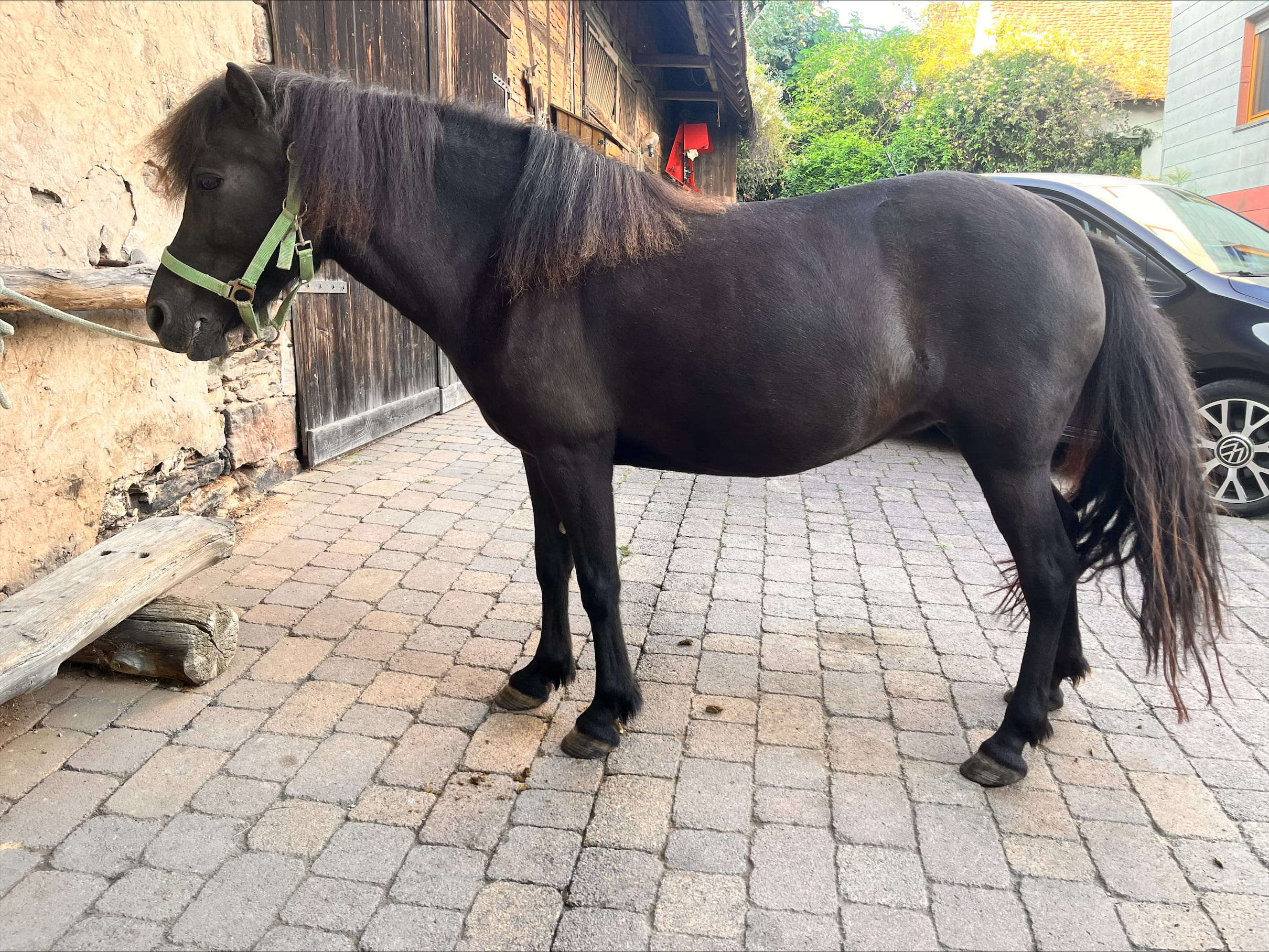
Litla
EMS and itchy skin resolved

After · November 2024
You’ve read everything you could find.
Is this actually working?
What am I missing?
What if I’ve already waited too long?
That’s what the next six weeks are for.
Cutting the sugar matters. It’s rarely the whole story.
If you joined me for the training, this is your quick refresher.

Driver One
Stress
The cortisol driver
Driver Two
Toxicity
The hidden-exposure driver
Driver Three
Nutrient Deficiencies
The quiet-depletion driver
All three usually need attention, and in a specific order. Knowing their names was never the hard part. Figuring out which one is running the show for your horse is, and that’s where the Reset begins.
It’s not about doing more. It’s about doing the right things, in the right order.
A hunch tells you where to look. The Reset tells you what to do about it.

You have a hunch that something isn’t quite right with your horse.

You have a diagnosis — EMS, insulin resistance, maybe laminitis — but no idea why it’s happening, or what to do about it.
A diagnosis names the problem. It doesn’t tell you what’s causing it.
A hunch
A diagnosis
A hunch
A hunch
You won’t be doing this alone. I’ll be right there with you.
We begin Monday, November 2 — which gives you the whole winter to regulate your horse’s insulin and improve their metabolism before spring grass arrives. You’ll work through the lessons at a gentle pace, and every week we meet for a live group coaching call so you can bring me your questions — about your horse, your hay, your barn.

7 weekly live coaching calls

Submit your questions
Send your questions in ahead of each week’s call, so nothing gets lost and you don’t have to think on the spot.

Mindset Moments
Seven modules. One clear order.
Equine Metabolic Syndrome: The Basics
What insulin resistance really is — and whether your horse is at risk.
The root of EMS: understanding insulin resistance
The growing EMS epidemic — and what it means for your horse
Is your horse at risk?
What you’ll walk away with
Where It Starts: The Three Drivers
Stress and its metabolic impact
Toxicity: the hidden cost to your horse’s metabolism
Nutrient deficiencies: how they quietly weaken metabolism
The Driver Diagnostic: confirming your horse’s pattern, lesson by lesson
- The Driver Diagnostic
Diet and Metabolic Health
The three dietary pillars
Pillar 1: Digestion — your horse’s foundation of wellness
Pillar 2: Oxidative stress — their defense against damage
Pillar 3: Insulin — their path to balance
Hay & Pasture: The First Step
How much, how often — and why guessing isn’t good enough.
The role hay plays in your horse’s metabolism
How much, how often: feeding hay the right way
Understanding hay quality: sugar, protein, palatability
The case for a hay analysis
Pasture guidelines for the insulin-resistant horse
Detoxification
Lightening your horse’s toxic load, one simple step at a time.
When the body can’t keep up: toxic load and metabolism
Building your horse’s detox program
Movement made simple: a powerful detox ally
- Red Flag Foods Checklist
Movement as Medicine
Why movement matters
Simple ways to get your horse moving
- Your Horse’s Activity Tracker
Your Horse's Recovery Program
Building a basic diet program for your horse
Key nutrients to support recovery
Key herbs to support recovery

Where to even start.
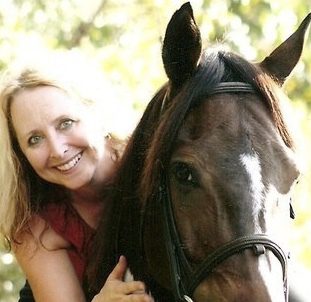
This has been such an eye opener. I was worried about where to even start with my own horse, and learning with Elisha gave me the tools to break it down — I was so proud of myself when I finally got it right.
Less reading. More knowing.
Each worksheet turns a lesson into something you can do in your own barn this week — so you’re not just learning about your horse, you’re looking at them differently.

Module 2
The Driver Diagnostic
Confirm what’s really disrupting your horse’s metabolism.

Module 5
Red Flag Foods Checklist
Spot what’s quietly adding to your horse’s toxic load.
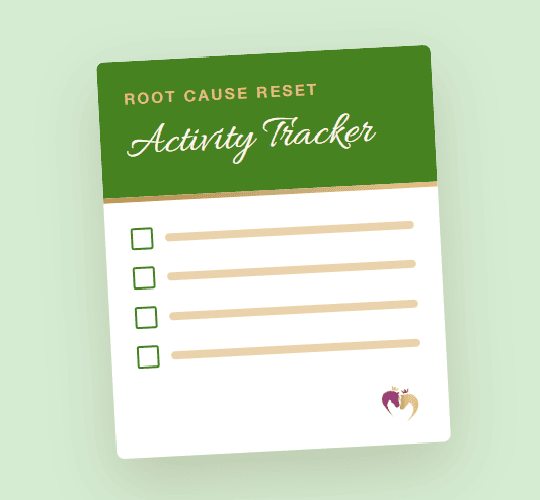
Module 6
Your Horse’s Activity Tracker
Bring movement back in safely, and see how your horse responds.

Modules 2–5
The growing FAQ
Answers to the questions students ask most, added to every week.
In their own words.

Decisions I feel good about.
Elisha taught me how to take charge of Bonito’s health without panicking. Now I can make decisions for him that I feel good about, knowing that I am going to get results.
Gus
June 2025 → October 2026 · Samantha Y.
Smaller crest


Before
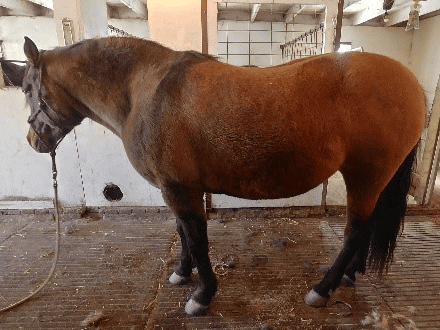

Jane
Insulin was 51.60. Now normal.
Happy 19th birthday to my unicorn! She’s EMS & Cushings. Got a call from vet today after recent bloodwork, her numbers are down! … Insulin was 51.60 now normal. No synthetic drugs. Following Elisha’s natural program and will continue to do so. Vet said keep doing what you’re doing!

Enrollment closes Tuesday, November 3 at 11:59 pm MT
Is this the right fit for you and your horse?
It’s not the right fit if
You’re looking for a quick fix or a single supplement